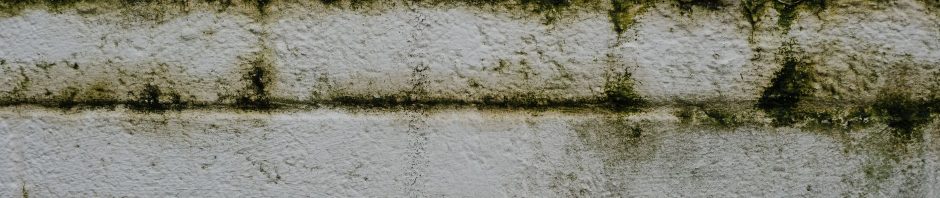
Spray bleach on a dark patch, watch the color fade, and the problem feels solved. That single moment of visual satisfaction is responsible for more failed cleanups than almost anything else I see in this work. The stain disappears, the homeowner moves on, and a few weeks later the same spot is back, often darker and spread wider than before.
Most of the misconceptions about mold come from reasonable assumptions that happen to be wrong. People treat it like dirt or a stain, something you scrub away. Mold is a living organism with roots, a food source, and a moisture requirement, and it does not respond to the cleaning logic we apply to the rest of the house.
Why Bleach Rarely Does What People Think
Bleach is mostly water, and water is exactly what mold needs to thrive. On a porous surface like drywall or wood, the chlorine stays on top while the water content soaks in and feeds the colony underneath. The visible discoloration bleaches out, which reads as success, but the living network beneath the surface is untouched. That is why the regrowth is so common. Bleach can have a place on hard, non-porous surfaces, but as a cure-all for the materials mold actually prefers, it falls short almost every time.
Visible Mold Is Only Part of the Story
What you can see is often the smallest portion of what exists. Mold colonizes the hidden side of drywall, the underside of carpet padding, inside wall cavities, and across subflooring. By the time a patch shows on the painted surface, the growth behind it is usually more established. Treating only what is visible is like mowing a weed and expecting the root to die.
The Dangerous Logic of Waiting It Out
A surprising number of people decide to monitor a small spot and deal with it later. Mold does not pause while you decide. It expands wherever moisture and an organic food source continue to exist, and the materials in a home provide both in abundance. Waiting rarely keeps a problem contained; it almost always lets a manageable area turn into a structural and air-quality concern.
What a Musty Smell Is Actually Telling You
That damp, earthy odor is not just unpleasant. It comes from compounds mold releases as it grows, which means an active colony is producing them somewhere even when nothing is visible. A persistent musty smell with no obvious source is one of the more reliable signs that growth is happening out of sight, behind a wall or under a floor.
When a homeowner cleanup makes the contamination worse instead of better
Scrubbing a colony without containment is one of the fastest ways to spread it. Disturbing active mold sends spores into the air, where they settle across rooms that were previously clean. Running a household fan nearby, or ripping out damp drywall without sealing the area, can turn a localized issue into a whole-home one. The intention is good; the outcome frequently moves the contamination rather than removing it.
The Difference Between Cleaning and Remediation
Cleaning addresses a surface. Remediation addresses the cause, the extent, and the containment all at once. It involves isolating the affected area, controlling airflow so spores do not migrate, removing materials that cannot be salvaged, and correcting the moisture source that started everything. Skip the moisture correction and no amount of cleaning will hold. That is the step homeowners most often leave out, because it is the part a bottle of product can never do.
Why Testing Before and After Matters More Than You’d Expect
Testing tells you what type of mold you are dealing with, how far it has spread, and whether the air itself is affected. Just as important, testing after the work confirms the job actually succeeded rather than relying on whether the spot looks gone. When the scope is unclear or health concerns are involved, bringing in a Mold Remediation Gettysburg PA specialist for assessment removes the guesswork that leads to repeat problems. A clean visual result and a clean air sample are not the same thing.
Knowing When to Call a Specialist
A small patch on a hard surface, caught early, with the moisture source fixed, is often within a homeowner’s reach. Anything beyond that, recurring growth, a musty smell you cannot trace, visible mold larger than a square foot or two, or any member of the household with respiratory sensitivity, is the point where professional help pays for itself. The goal is not to make anyone feel incapable. It is to recognize that mold behaves differently from the messes we are used to handling, and treating it accordingly is what actually keeps it from coming back.